
Game Info
Updated: N/A
Category: Puzzles
Score: 7.1
How to Play
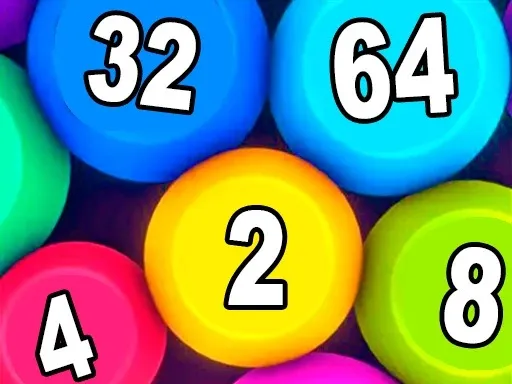
To move the ball mdash swipe your finger mouse cursor left or right Aim and release the ball Merge physical balls with the same numbers to get a bigger ball You need to get a ball with the same number as the ball at the bottom and when they merge
Description
Physical Balls 2048 takes the core concept of classic 2048 and chucks it into a much messier, more unpredictable playground. Instead of sliding tiles, you’ll be nudging, tossing, or letting gravity do its thing with colorful balls—all marked with numbers (2, 4, etc.), all clattering around in a compact arena. When two balls with the same value crash together, they merge into one with double the number. It sounds simple on paper but somehow never quite as straightforward in practice.
And that’s actually where things get interesting—the unpredictability of those rolling orbs means you have to plan ahead but also react when physics throws your strategy out the window. Timing drops just right helps, though sometimes luck does play a hand (no shame in that).
Rounds can last two minutes or twenty; it depends how calmly you play or if you’re just watching things collide chaotically for fun. I guess that makes it both suitable for quick breaks and those “just one more try” marathons. The controls are easy enough: drag and drop, really.
It’s aimed mostly at puzzle fans who don’t mind their logic being interrupted by real-world physics quirks—plus anyone who enjoys watching objects bounce around unpredictably.
You know, there’s an odd satisfaction in getting the big merges to happen even if half your moves go sideways.
Editor's View
At first glance I figured Physical Balls 2048 would feel like every other number merging game—maybe with some flashier graphics. Turns out, adding actual physics changes everything. My first few attempts were pure chaos: balls bouncing everywhere except where I wanted them to land.
Once I started paying attention to the timing and trajectory (well, at least trying to), matches got easier—but there’s always this hint of randomness that kept me on edge.
To be honest, that part really matters here; if you like total control this may frustrate you sometimes.
Still, after about ten rounds I got pretty hooked—succeeding feels genuinely satisfying when everything lines up for a big score jump. Sometimes it can feel slightly unfair if too many balls pile up awkwardly and block movement though.
In all honesty, it’s not flawless—but there’s something oddly addictive about seeing what wild combos the next round will bring.
Recommended

Flappy Zombie Santa: Christmas Arcade Flight
Drawer Sort Puzzle Game

WinterWonder Symbol Merge Puzzle
Mahjong Elimination Puzzle Challenge

Legend Street Fighter Showdown

Fantasy Anime Dress Up Game Online
Tetra Challenge Reverse Puzzle Game
Mahjong Match Club Puzzle Challenge
Mr. Macagi’s Platforming Quest
Mr Autofire: Alien Blaster Run

Duck Shift: Tricky Platform Challenge
Climb the Impossible Mountain